
Tips for Creating a Relaxing Home Workspace to Boost Productivity and Well-Being
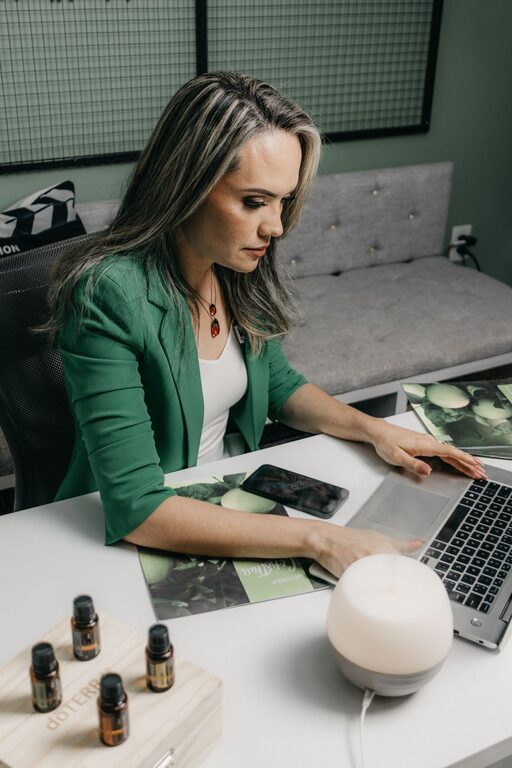
Creating a relaxing home workspace is essential for maintaining focus, minimizing stress, and boosting both productivity and well-being. Whether you work remotely full-time or occasionally, your environment plays a key role in how effectively you perform tasks and how comfortable you feel throughout the day. This guide will share practical tips to help you design a workspace that supports concentration while promoting a sense of calm.
Why a Relaxing Workspace Matters
A cluttered, noisy, or uncomfortable work area can leave you feeling overwhelmed and distracted. By contrast, a well-thought-out space can:
– Help you focus better
– Reduce stress and fatigue
– Encourage better posture and physical health
– Improve your mood and motivation
Investing time into creating a relaxing environment sets you up for success in any task.
Choose the Right Location
Pick a Quiet Spot
One of the first steps is to find a peaceful area in your home where interruptions are minimal. If space allows, avoid high-traffic zones like the kitchen or living room to reduce distractions.
Consider Natural Light
Natural light positively affects mood and alertness. Set up your workspace near a window to take advantage of daylight. If natural light is limited, use adjustable lamps with soft, warm bulbs to create a cozy atmosphere.
Declutter and Organize
Keep Surfaces Clean
A tidy desk reduces mental clutter and creates a sense of order. Remove unnecessary items and keep only the essentials within reach.
Smart Storage Solutions
Use shelves, drawers, or organizers to store supplies neatly. Labeling containers can help maintain organization over time.
Ergonomics and Comfort
Invest in a Supportive Chair
A comfortable chair with proper back support helps prevent strain during long work sessions. Look for adjustable features to tailor it to your body.
Optimize Desk Height and Position
Ensure your desk height allows your forearms to rest parallel to the floor when typing. Your screen should be at eye level to avoid neck strain.
Add Soft Elements
Consider a cushion, footrest, or even a small throw blanket to add warmth and coziness, making your workspace inviting.
Incorporate Calming Colors and Decor
Choose Soothing Colors
Soft, neutral tones like pale blues, gentle greens, or warm beiges encourage relaxation. These colors reduce visual stress and promote calm.
Personalize Thoughtfully
Add plants, artwork, or meaningful objects that uplift your spirits without overwhelming the space. A few well-chosen items can create an inspiring environment.
Manage Noise
Use Noise-Canceling Headphones or White Noise
If ambient noise is unavoidable, noise-canceling headphones can improve focus. Alternatively, use white noise machines or apps to mask distracting sounds.
Soundproofing Options
Simple additions like thick curtains, rugs, or wall panels can reduce echoes and outside noise.
Promote Healthy Habits
Take Regular Breaks
Set reminders to stand, stretch, or walk around briefly every hour. Breaks prevent fatigue and keep your mind fresh.
Stay Hydrated and Nourished
Keep a water bottle nearby and have healthy snacks accessible to maintain energy levels.
Enhance Air Quality
Ventilate the Area
Open windows when possible to circulate fresh air. Good ventilation supports concentration and reduces feelings of stuffiness.
Add Air-Purifying Plants
Plants like spider plants, pothos, or peace lilies improve air quality and add natural beauty.
Use Technology Wisely
Minimize Screen Glare
Position your monitor to avoid sunlight or bright lights reflecting on your screen.
Manage Cable Clutter
Use cable organizers or clips to keep cords tidy, preventing distractions and accidental tugs.
Final Thoughts
Designing a relaxing home workspace is a personal process that balances practicality with comfort. Start small by organizing your desk and optimizing lighting, then gradually incorporate elements that bring you relaxation and joy. With a calming setup, you’ll find your productivity and well-being naturally improve, making work feel less like a chore and more like a fulfilling part of your day.