
Tips for Creating a More Organized and Productive Home Workspace
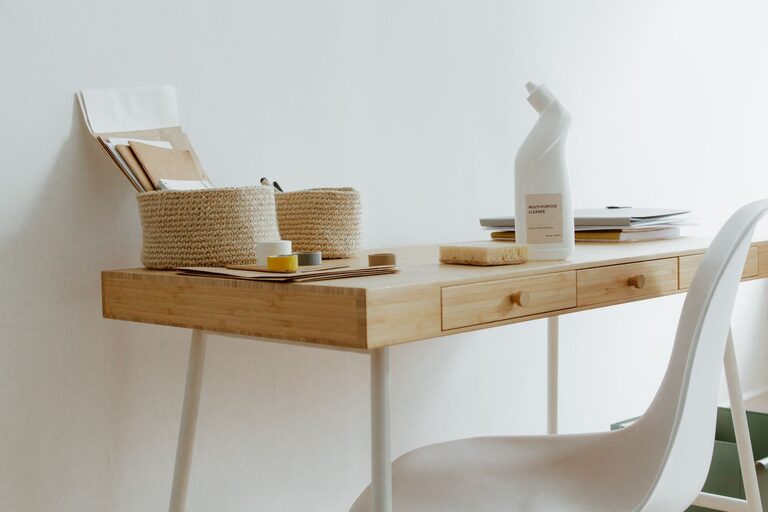
Creating a home workspace that is both organized and productive can significantly improve your work-from-home experience. Whether you’re working full-time from home or just need a dedicated spot for occasional projects, an efficient workspace helps minimize distractions and keeps you focused. Here are some practical tips to help you design a more organized and productive home office.
Choose the Right Location
Selecting the perfect spot within your home is the first step.
– Consider natural light: Position your desk near a window if possible to take advantage of natural daylight, which can improve mood and focus.
– Minimize traffic and distractions: Choose a quiet corner or room where household activity is limited.
– Evaluate space and ergonomics: Make sure the area has enough room for your desk, chair, and any equipment you need, with comfortable seating.
Invest in a Comfortable and Functional Desk and Chair
Your furniture plays a crucial role in comfort and productivity.
– Ergonomic chair: Invest in a chair that supports your back and promotes good posture.
– Appropriate desk height and size: Ensure your desk allows enough space for your computer, documents, and other materials without clutter.
– Consider standing desks or adjustable options: Alternating between sitting and standing can boost energy and reduce fatigue.
Organize Your Desk and Supplies
Clutter can distract and reduce your work efficiency. Keep your desk tidy with these tips:
– Use storage solutions: Drawers, shelves, or desktop organizers can keep supplies within reach but out of the way.
– Limit what’s on your desk: Only keep daily essentials on the surface to maintain a clean look.
– Create zones: Arrange areas for computer work, paperwork, and office supplies to streamline tasks.
Manage Cables and Technology
Technology is essential, but cables and devices can be messy.
– Cable management: Use clips, sleeves, or trays to keep cords organized and prevent tangling.
– Declutter unnecessary gadgets: Keep only frequently used devices connected to your workspace.
– Regular maintenance: Clean equipment and update software to avoid disruptions.
Enhance Lighting and Ambience
Good lighting supports productivity and reduces eye strain.
– Layer lighting: Combine natural light with ambient and task lighting, such as desk lamps.
– Choose warm or neutral bulbs: These reduce glare and create a comfortable atmosphere.
– Maintain a pleasant environment: Add plants or personal décor to make the space inviting without cluttering.
Set Up Efficient Storage Systems
Proper storage keeps paperwork and supplies accessible and tidy.
– Use filing cabinets or boxes: Categorize papers by project, date, or priority.
– Label everything: Clear labeling helps locate items quickly.
– Go digital when possible: Scan important documents and organize files on your computer to reduce paper clutter.
Establish Routines and Boundaries
An organized workspace also depends on good habits.
– Designate work hours: Stick to a schedule to maintain balance between work and personal life.
– End-of-day clean-up: Spend a few minutes tidying your workspace each day to start fresh tomorrow.
– Avoid multitasking: Focus on one task at a time to increase efficiency.
Incorporate Break Areas Nearby
Taking regular breaks boosts productivity and prevents burnout.
– Create a small relaxation zone: If space allows, place a comfortable chair or cushion nearby for quick rest.
– Step outside: A change of scenery, even briefly, can refresh your mind.
– Stay hydrated and nourished: Keep water and healthy snacks close to maintain energy.
Personalize Your Workspace Mindfully
Personal touches can make your home office more enjoyable, but avoid overdecorating.
– Display inspiring items: Photos, artwork, or motivational quotes can boost morale.
– Choose calming colors: Soft blues, greens, or neutrals encourage focus.
– Limit distractions: Avoid too many visual or noise distractions that pull away your attention.
Use Technology to Stay Organized
Leverage productivity tools to keep your work on track.
– Task management apps: Tools like Trello, Todoist, or Asana can help you prioritize.
– Calendar reminders: Schedule deadlines and meetings to avoid missing important events.
– Focus tools: Apps that block distracting websites or set timers can improve concentration.
—
Creating an organized and productive home workspace is a combination of setting up the right physical environment and developing good habits. By thoughtfully arranging your space, managing clutter, and setting boundaries, you create an atmosphere that supports your best work. Remember to periodically reassess your setup and routines to adapt to your evolving needs. A well-designed home office is not only about efficiency but also about comfort and enjoyment during your workday.