
Tips for Creating a Relaxing and Productive Home Office Environment
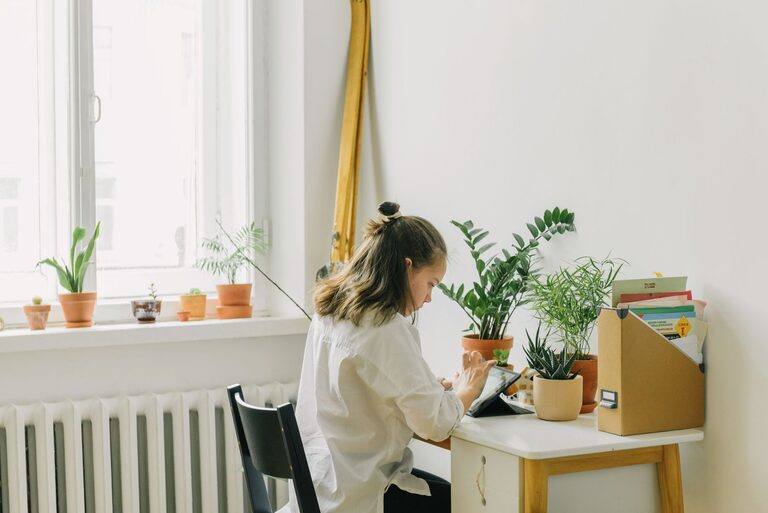
Creating a home office that is both relaxing and productive can greatly improve your work-from-home experience. Whether you’re setting up a new space or revamping an existing one, thoughtful design and organization can help you focus better, reduce stress, and maintain a healthy work-life balance. Here are some useful tips to guide you in crafting a home office environment that supports both comfort and efficiency.
Choose the Right Location
Finding the right spot in your home is the first step to creating an ideal workspace.
– Quiet and Away from High Traffic: Select a room or corner where you are less likely to be interrupted by family members or household chores.
– Natural Light: Position your desk near a window when possible. Natural light improves mood and alertness, which can help you stay focused throughout the day.
– Separate Space: If feasible, dedicate a space exclusively for work so your brain can associate it with productivity, helping you mentally “switch on” and “switch off” work mode.
Invest in Comfortable Furniture
Comfort is key for long hours spent working.
– Ergonomic Chair: Choose a chair that supports your back and promotes good posture to prevent discomfort and fatigue.
– Adjustable Desk: Consider a desk with adjustable height or standing options to alternate between sitting and standing during the day.
– Proper Desk Size: Your desk should provide enough space for your computer, notebooks, and other essential items without feeling cramped.
Organize and Declutter
A tidy workspace encourages a clear mind and helps you stay on task.
– Use Storage Solutions: Shelves, drawers, and desk organizers can keep your supplies neatly arranged and within reach.
– Daily Clean-Up: Spend a few minutes at the end of each day putting things away and wiping down surfaces to maintain your space.
– Limit Distractions: Keep only work-related items on your desk and remove anything that might divert your attention.
Optimize Lighting
Good lighting prevents eye strain and enhances focus.
– Combine Natural and Artificial Light: Use a desk lamp with adjustable brightness along with natural light to reduce glare and shadows.
– Avoid Screen Reflections: Position lighting sources to minimize reflections on your computer screen.
– Warm vs. Cool Lights: Use cooler white lights during work hours to stay alert, and consider warmer tones when winding down.
Add Personal Touches
Making your home office inviting can boost your mood and creativity.
– Plants: Indoor plants bring a sense of calm and cleaner air to your workspace.
– Art and Inspiration: Hang artwork or motivational quotes that resonate with you.
– Comfort Items: A cozy throw or a small cushion can make the space feel welcoming without cluttering it.
Manage Technology Efficiently
Technology is essential but can be distracting if not managed well.
– Organize Cables: Use cable organizers or clips to keep cords tidy and avoid a tangled mess.
– Reliable Internet Connection: Ensure your workspace has a strong Wi-Fi signal for smooth communication and work flow.
– Minimize Notifications: Turn off non-essential notifications during working hours to reduce distractions.
Establish a Routine and Boundaries
A well-planned routine helps separate work from personal life.
– Set Working Hours: Define specific start and end times to help maintain a healthy work-life balance.
– Create a Start-of-Day Ritual: Something as simple as making coffee or organizing your desk can signal the beginning of your workday.
– Take Breaks: Step away from your desk regularly to stretch, hydrate, or take short walks. This refreshes your mind and prevents burnout.
Pay Attention to Air Quality and Temperature
Comfort extends beyond furniture and lighting.
– Good Ventilation: Fresh air keeps you alert and prevents stuffiness.
– Comfortable Temperature: Adjust heating or cooling to maintain a comfortable environment for working.
– Air Purifiers or Humidifiers: These can help improve air quality, especially in closed spaces.
Use Sound to Your Advantage
Sound can either help you focus or cause distractions.
– Noise-Canceling Headphones: If your home environment is noisy, these can help you concentrate better.
– Background Music or White Noise: Some people find soft instrumental music or white noise aids productivity and relaxation.
– Silence Zones: Communicate with household members to minimize noise during your working hours.
Final Thoughts
Designing a home office that balances relaxation and productivity takes some planning but pays off in improved focus, comfort, and work satisfaction. By choosing the right location, investing in quality furniture, organizing your space, optimizing lighting, and managing technology, you can create an environment that supports your best work. Remember that small adjustments tailored to your preferences can make a big difference in how you feel and perform every day.