
Tips for Creating a Relaxing Home Workspace to Boost Productivity
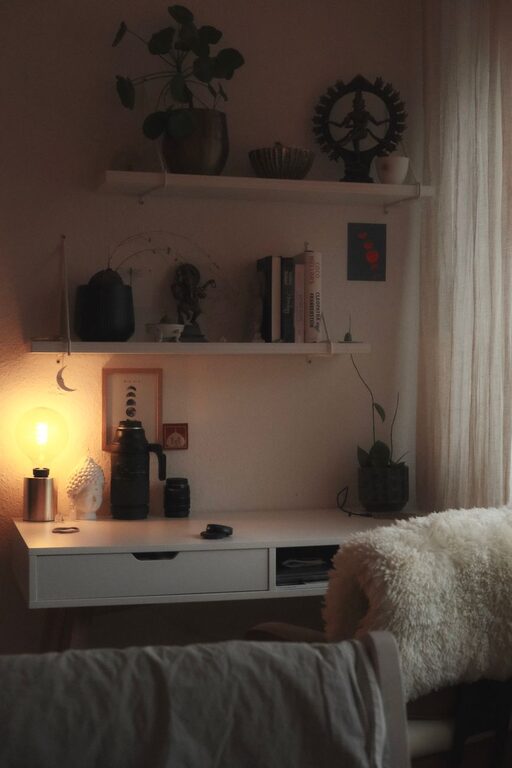
Creating a home workspace that feels relaxing and promotes productivity is essential, especially as more people work from home. A comfortable and calm environment can reduce stress, improve concentration, and help you maintain a healthy work-life balance. Here are some practical tips to help you design a workspace that supports both relaxation and productivity.
Choose the Right Location
Selecting the perfect spot in your home for your workspace is the first step.
– Quiet and Away from Distractions: Try to pick a place that is away from noisy areas like the kitchen or living room.
– Natural Light: A spot near a window offers natural light, which can boost mood and energy.
– Space for Movement: Ensure there is enough room for your chair, desk, and any other work essentials without feeling cramped.
Invest in Comfortable Furniture
Comfort is key to staying focused and avoiding fatigue.
– Ergonomic Chair: Choose a chair that supports your back and encourages good posture.
– Functional Desk: A desk with enough surface space for your computer and other materials helps keep things organized.
– Adjustable Options: Consider adjustable desks or chairs to change positions throughout the day.
Organize Your Workspace
Clutter can increase stress and reduce efficiency.
– Storage Solutions: Use shelves, bins, or drawers to keep supplies tidy.
– Minimalist Approach: Keep only items you frequently use on your desk.
– Cable Management: Use clips or ties to keep cords neat and out of the way.
Use Calming Colors and Decorations
Colors and decor influence how you feel in your space.
– Soft, Neutral Tones: Colors like soft blues, greens, and grays tend to be soothing.
– Personal Touches: Adding a few personal items such as photos or plants can make the space inviting without overwhelming it.
– Avoid Overstuffing: Keep decorations simple to maintain a peaceful environment.
Incorporate Plants
Plants not only enhance aesthetics but also improve air quality and reduce stress.
– Low-Maintenance Plants: Options like succulents, snake plants, or pothos work well indoors.
– Placement: Position plants where they receive adequate light but don’t crowd your workspace.
– Size Matters: Use a mix of small desk plants and larger floor plants if space allows.
Control Lighting
Proper lighting supports focus and reduces eye strain.
– Combine Natural and Artificial Light: Use daylight as much as possible and supplement it with adjustable desk lamps.
– Avoid Glare: Position your screen to avoid reflections from windows or lamps.
– Warm vs. Cool Light: Warm lighting creates a cozy atmosphere, while cooler light can help with alertness depending on the time of day.
Minimize Noise Distractions
Noise can significantly impact productivity and relaxation.
– Noise-Cancelling Headphones: These can help block out disturbances.
– Soft Background Music: Some find gentle music or nature sounds helpful.
– Soundproofing: Consider rugs, curtains, or acoustic panels to reduce echo and outside noise.
Establish a Routine and Boundaries
Even with the perfect setup, habits are important.
– Designated Work Hours: Set clear work times and stick to them.
– Breaks: Take regular breaks away from your desk to rest your eyes and stretch.
– Separate Work from Leisure: When the workday ends, try to leave your workspace to relax fully.
Keep Technology Organized and Up-to-Date
Efficient technology reduces frustration and downtime.
– Reliable Equipment: Ensure your computer, internet, and peripherals meet your work needs.
– Regular Updates: Keep software and devices updated for security and efficiency.
– Charging Station: Set up a dedicated spot for charging devices to keep cables tidy.
Focus on Air Quality and Temperature
Comfortable air quality and temperature help maintain concentration.
– Ventilation: Open windows when possible to circulate fresh air.
– Air Purifiers: Consider using one if your space feels stuffy.
– Temperature Control: Use fans or heaters to keep the temperature comfortable.
Final Thoughts
Designing a relaxing home workspace doesn’t mean sacrificing productivity; rather, it enhances it by creating an environment where you feel comfortable and focused. With thoughtful planning and simple changes, you can create a space that supports your best work while promoting well-being throughout your day. Remember, your workspace should suit your personal preferences and work style—don’t hesitate to experiment and adjust until it feels just right.